Shandal System
Platform Quarry & Earthworks SurveyStructural & Geotechnical SurveyStereonet LabRock Mass Classification LabStratigraphic Column DesignerGeological Unit FinderFossil Sites ExplorerGeo-Heritage & Archaeological TourismDEM & Contour Mapping Studio2D Contour Mapping LabGeomorphological & Contour SurveySentinel-2 Spectral IndicesRegional Magnetic LabThermal Maturity & Geothermal LabSeismic Evaluation & Building CodeSeismic Hazard ExplorerGlobal Soil PropertiesBearing Capacity of Shallow FoundationsMohr Circle & Failure EnvelopeAtterberg Limits & PlasticityGrain-Size AnalysisHydrochemistry Water LabHydrological Early WarningAir Quality MonitorEnvironmental Monitoring & ModellingNatural Hazards MonitorVolcanoes of the WorldKerogen Analysis LabPalynofacies Lab
Maps & Data Data hub Earth now Geo-heritage atlas
Learn Academy Library & journal Verify a report
About Shandal Pricing Contact
Switch light or dark theme

Geo-heritage atlas

Monuments read through the ground they stand on: the rock, the setting and the age of each site.

Documented sites, Iraq
Shanidar CaveAqar QufAbbasid PalaceBorsippaJabal Sanam

Geology is half of every heritage site

Building stone, groundwater, river terraces and tectonics decided where people settled and how their monuments survived. The atlas records both sides for each site, with photos, era filters and directions.

Shanidar CaveShanidar CaveShanidar Cave
Erbil, Zagros Mountains

Shanidar Cave

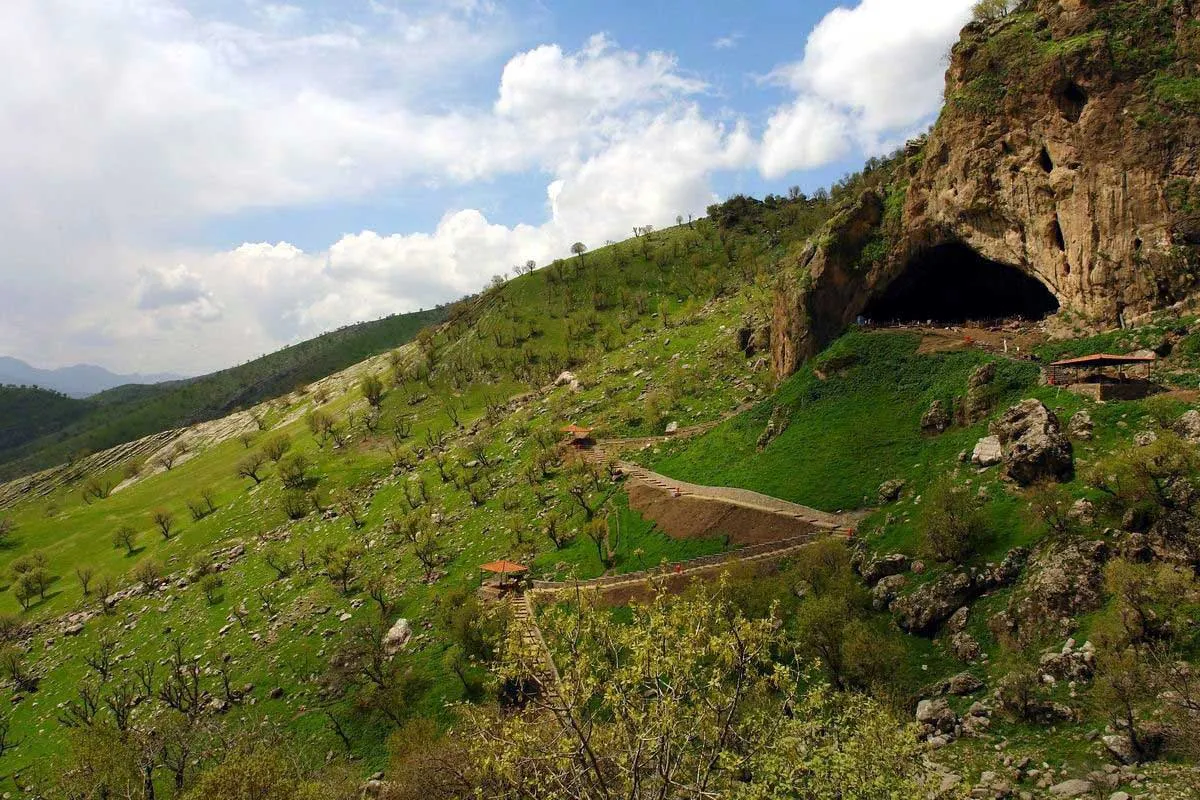
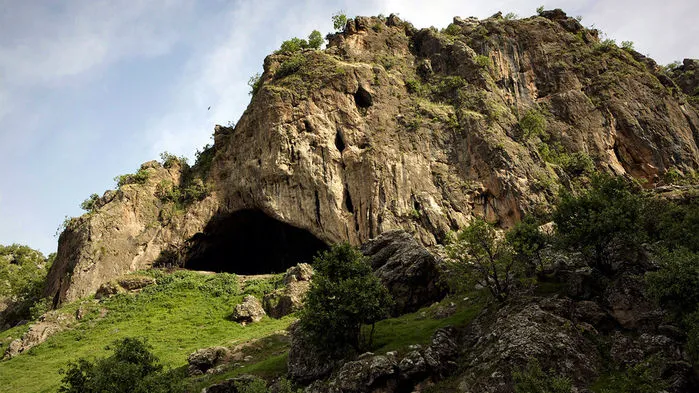
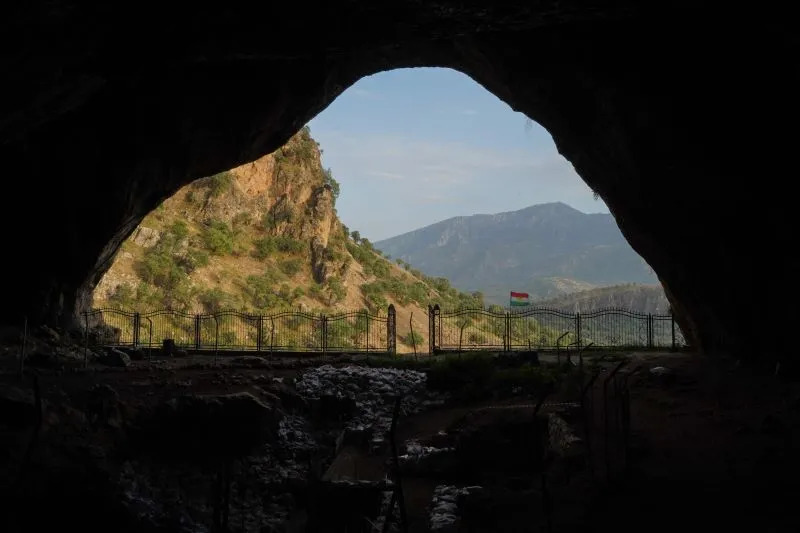
A karst cave in folded Zagros limestone, and one of the most important Palaeolithic sites in the Middle East. Excavations recovered Neanderthal remains and stone tools from layers tens of thousands of years old.

Material
Limestone
Setting
Zagros fold belt
Ground
Mesozoic host rock
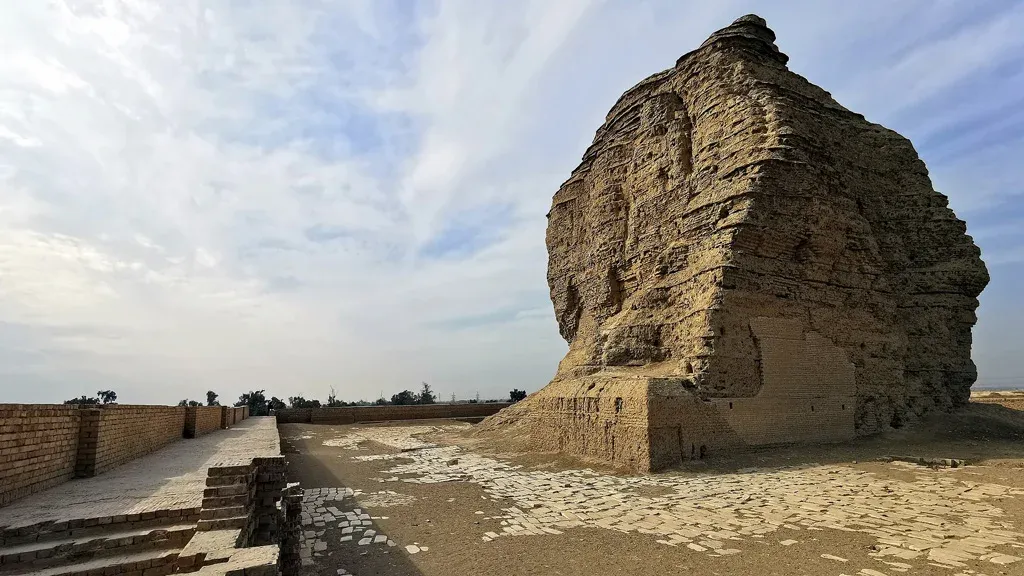
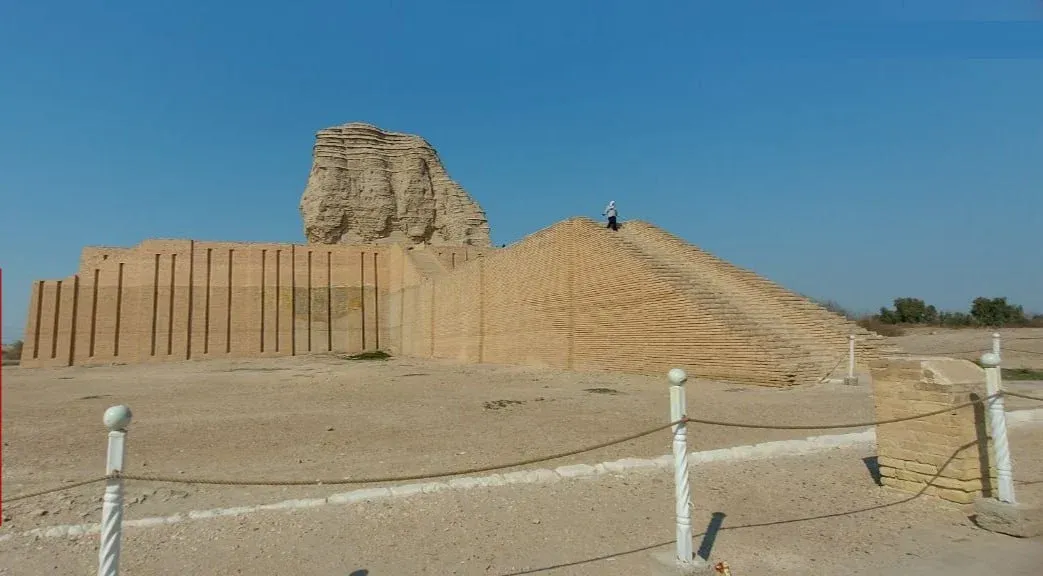
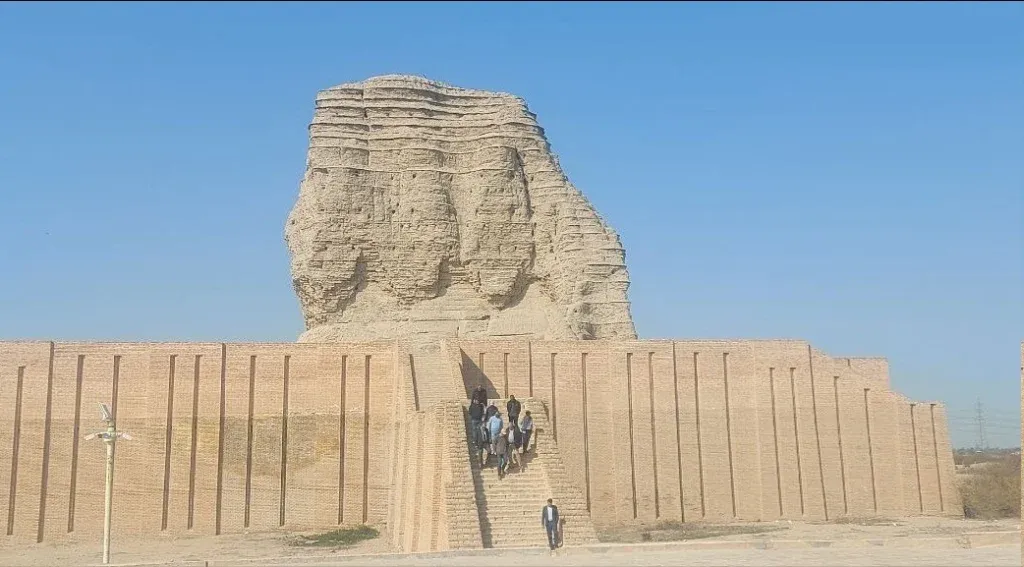
Aqar Quf ZigguratAqar Quf ZigguratAqar Quf Ziggurat
West of Baghdad

Aqar Quf Ziggurat

The core of the Kassite city of Dur-Kurigalzu. Layers of reed matting and bitumen every few courses of mudbrick are an early example of engineered reinforcement, and the reason the core still stands.

Material
Mudbrick with reed mats and bitumen
Setting
Mesopotamian foredeep
Ground
Quaternary alluvium
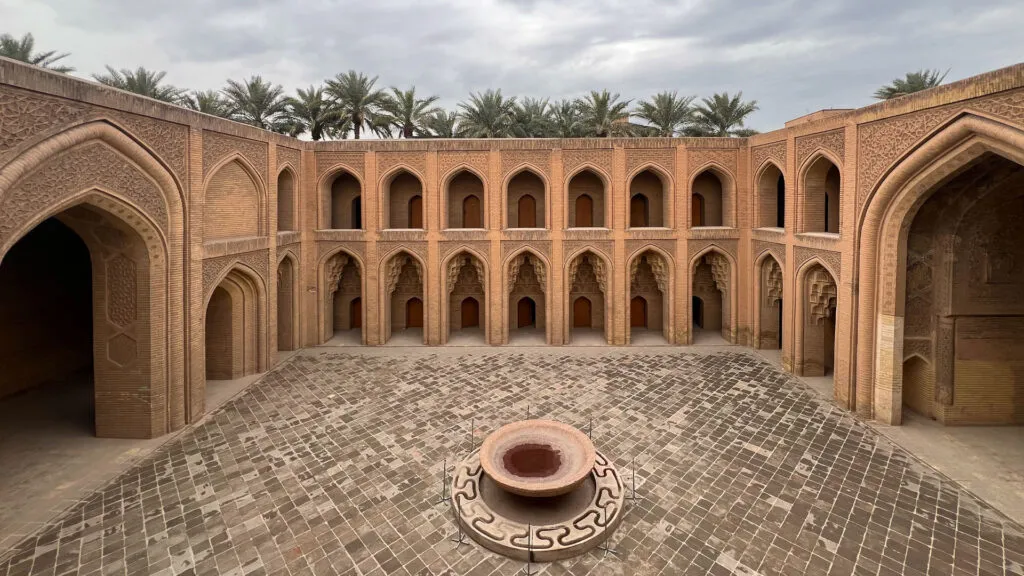
Abbasid PalaceAbbasid PalaceAbbasid Palace
Baghdad, Tigris bank

Abbasid Palace

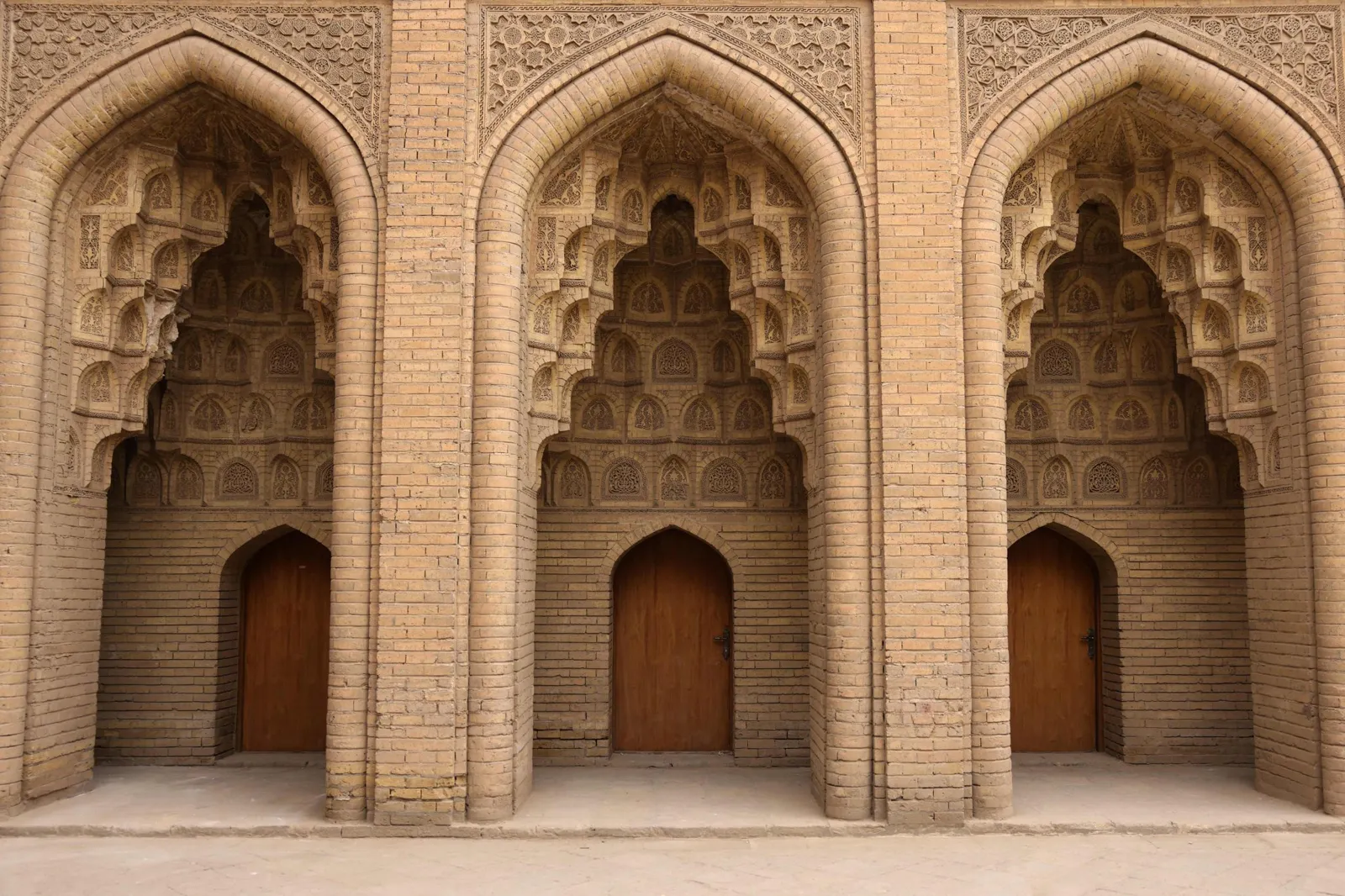
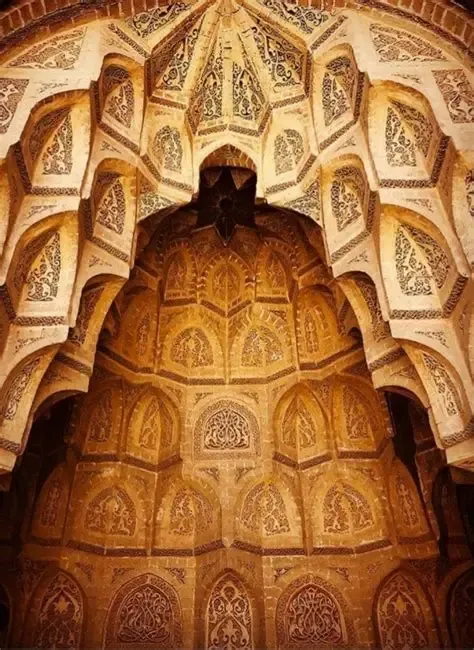
A brick complex on the Tigris known for its pointed arches and muqarnas vaulting. Its fired brick came from the same river clays that underlie the city.

Material
Fired brick
Setting
Tigris floodplain
Ground
Holocene alluvium
Zumurrud Khatun TombZumurrud Khatun TombZumurrud Khatun Tomb
Baghdad, Sheikh Maruf cemetery

Zumurrud Khatun Tomb

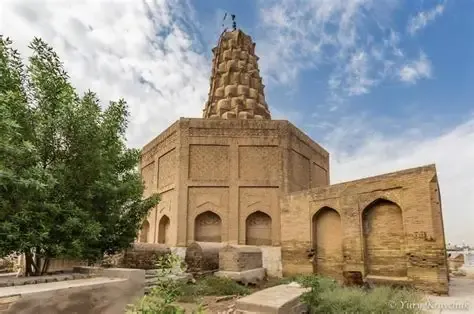
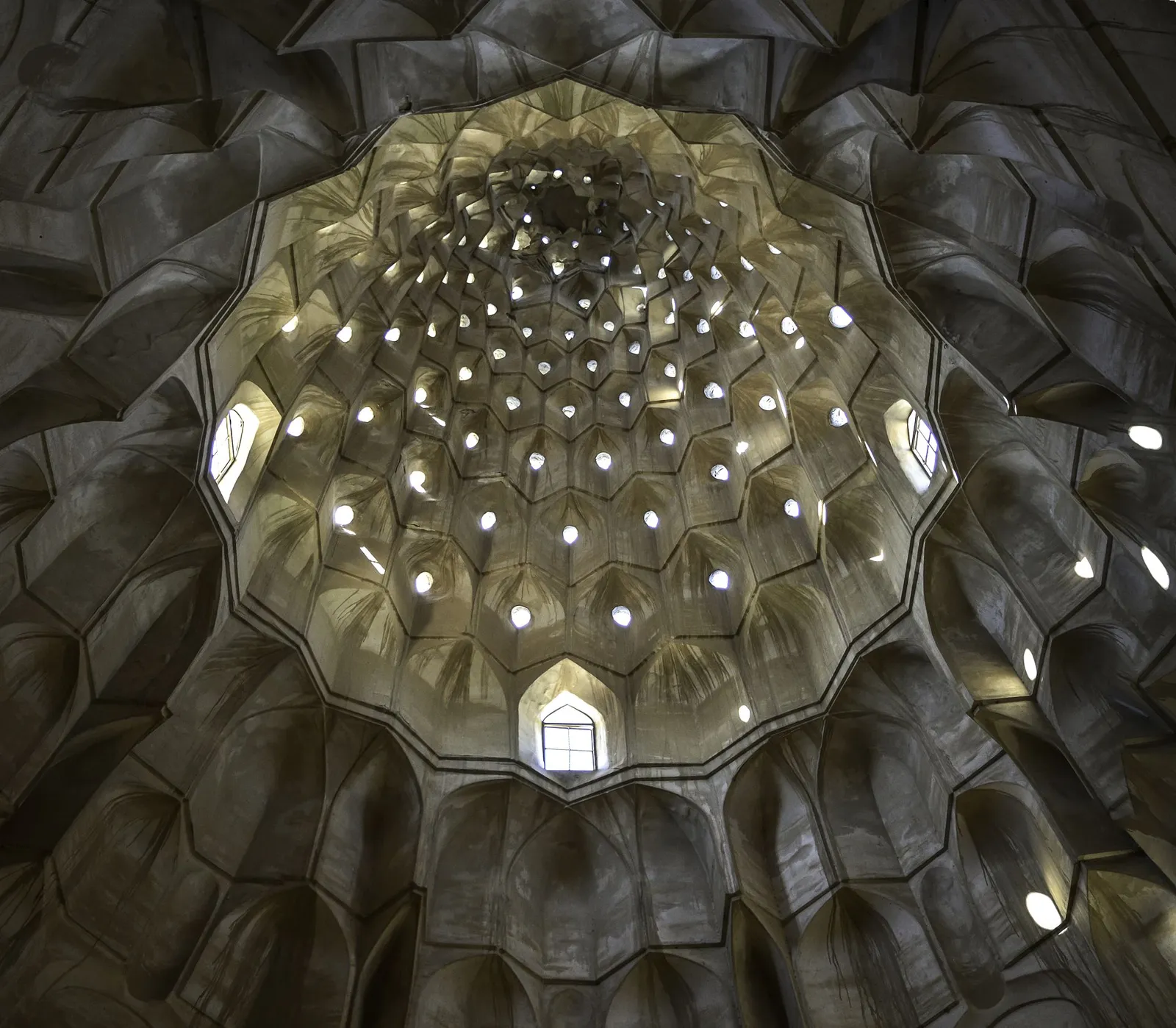
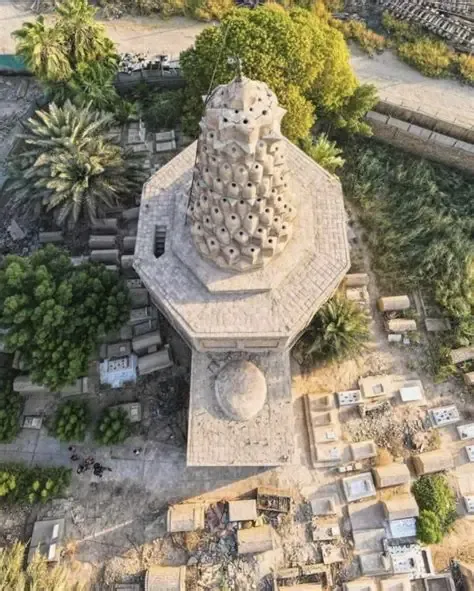
A tall conical dome of stacked muqarnas cells, outside and in. The geometry spreads load down the cone, a structural answer to building tall on soft river sediment.

Material
Brick and lime mortar
Setting
Tigris floodplain
Ground
Holocene alluvium

More sites in the atlas

Borsippa Ziggurat

Babylon · vitrified brick

Jabal Sanam

Basra · salt plug, gypsum and rock salt

Mustansiriya Madrasah

Baghdad · fired brick on the Tigris

Tell Harmal (Shaduppum)

Baghdad · floodplain mudbrick

Bab al-Wastani

Baghdad · defensive brick gate